
How to Fix Sprinkler Drainage Problems in Bee Cave
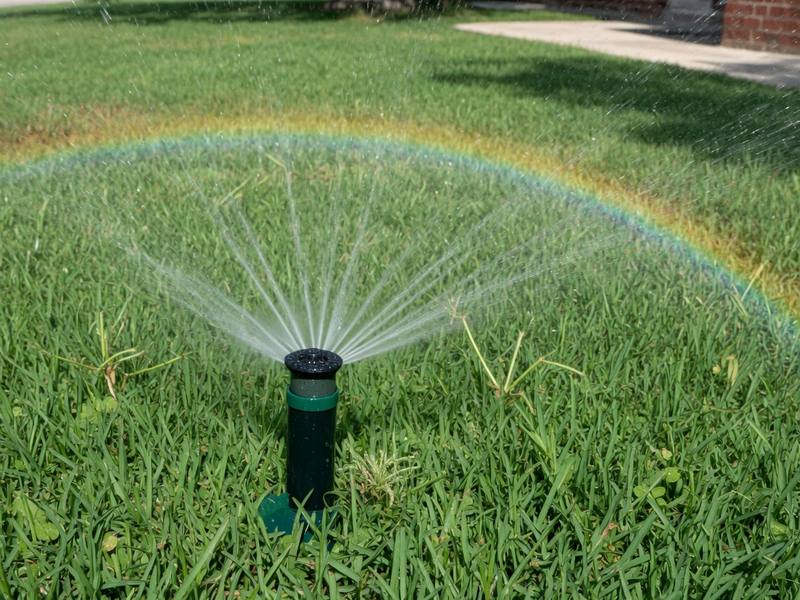
You step outside on a dry, sunny morning and notice a soggy patch of lawn around one of your sprinkler heads. The grass squishes underfoot. A shallow puddle sits in the same spot it did yesterday, and the day before that. It hasn’t rained in a week. If you’re dealing with this frustrating issue, you’re not alone — sprinkler repair in Bee Cave is one of the most common calls we get from local homeowners.
Standing water around sprinkler heads is one of the most common irrigation problems Bee Cave homeowners face. It’s easy to brush off as a minor nuisance, but it’s usually a sign that something in your system isn’t working the way it should. Left alone, that small puddle can turn into dead grass, high water bills, and a backyard full of mosquitoes.
This guide covers why poor drainage happens, what it can cost you if you ignore it, and how professional sprinkler repair in Bee Cave can get your lawn back on track.
What Slow Drainage Around Sprinkler Heads Looks Like
Drainage problems don’t always show up as an obvious pond in the yard. Watch for these warning signs:
- Puddles that linger for hours or days after the system shuts off
- Soggy, spongy turf around one or more heads
- Water bubbling up from the base of a head when the system isn’t running
- Muddy patches or exposed soil where grass used to grow
- Algae, moss, or mushrooms popping up in the same damp area
- Sunken spots around a sprinkler head
- One zone that stays wet while the rest of the yard looks normal
If you see one or more of these signs, your irrigation system likely needs attention.
Why Poor Drainage Happens Around Sprinkler Heads
Standing water can come from the soil, the system, or a mix of both. Here are the most common causes we see in Bee Cave yards.
1. Low Head Drainage
When a zone shuts off, water left in the pipes drains out through the lowest sprinkler head on the line. On sloped properties, which are common across the Hill Country, this can dump gallons of water in one spot after every cycle. The fix is often a sprinkler head with a built-in check valve, or a check valve added to the line.
2. Broken or Damaged Sprinkler Heads
Lawn mowers, foot traffic, and shifting soil can crack a sprinkler head, break a riser, or wear out the seal. A damaged head may leak steadily at the base instead of spraying water across the lawn services. That water soaks one small area while the rest of your grass goes thirsty.
3. Underground Pipe Leaks
A cracked pipe or loose fitting below the surface can push water up through the soil, often near a sprinkler head. These leaks are hard to spot because the source is hidden. Tree roots, freeze damage, and settling ground are frequent culprits.
4. Valves That Don’t Fully Close
A faulty valve or worn solenoid can let water trickle through the line even when the system is off. This slow, constant flow feeds puddles around the heads in that zone, often 24 hours a day.
5. Water Pressure That’s Too High or Too Low
High pressure can cause misting, overspray, and runoff that collects in low spots. Low pressure can make heads dribble water at their base instead of spraying it evenly. Either way, water ends up in the wrong place.
6. Overwatering and Controller Problems
A controller set to run too long, too often, or at the wrong time of day can put down more water than your soil can absorb. A broken rain sensor can also keep your system running right after a storm, flooding ground that’s already saturated.
7. Bee Cave’s Soil Conditions
Much of the Bee Cave area sits on shallow, rocky soil over limestone, with clay mixed in. Clay absorbs water slowly, and rock limits how deep water can drain. When sprinklers apply water faster than the ground can take it in, puddles form. Compacted soil around heads makes the problem worse.
The Risks of Ignoring Standing Water
A wet spot might seem harmless, but it rarely stays small. Here’s what can happen when drainage problems go unchecked.
Lawn Damage and Disease
Grass roots need oxygen as much as they need water. Constantly soggy soil suffocates roots and leads to rot. Excess moisture also invites fungal diseases like brown patch, which commonly attacks St. Augustine grass in Central Texas. You may end up with dead, yellow patches that cost more to replace than the original repair.
Wasted Water and Higher Bills
A leaking head or weeping valve can waste hundreds of gallons each month. In a region that regularly faces drought and watering restrictions, that’s water you can’t afford to lose, and money you shouldn’t have to spend.
Pests Moving In
Standing water is a breeding ground for mosquitoes, which can hatch in just a few days. Damp, rotting turf also attracts fungus gnats, grubs, and other insects that damage your lawn and make outdoor time unpleasant.
Soil Erosion and Uneven Ground
Constant water flow can wash away soil, expose roots, and create sunken spots or ruts. Over time, this can shift sprinkler heads out of position and throw off your whole system’s coverage.
Potential Foundation Concerns
When pooling happens near your home, clay soil can swell with moisture and shrink as it dries. That repeated movement can put stress on slabs, walkways, and patios. Keeping water where it belongs helps protect your property.
Bigger Repair Costs Later
Small leaks tend to grow. A cracked fitting today can become a broken pipe next season. Fixing the issue early is almost always faster and cheaper than waiting.
Quick Checks You Can Do at Home
Before you call for help, a few simple checks can give you useful clues:
- Note when the water appears. Puddles only after watering point to overwatering or low head drainage. Puddles that show up when the system is off suggest a valve or pipe leak.
- Run each zone manually. Watch every head for weak spray, bubbling, or water leaking from the base.
- Look at your controller schedule. Make sure run times match the season. Fall and winter lawns need much less water than summer lawns.
- Check your water meter. With all water off in and around the house, see if the meter is still moving. If it is, you may have a hidden leak.
- Test your rain sensor. Press the test button, if your model has one, or check that it’s clean and properly connected.
These checks can help narrow down the problem, but many causes sit underground or inside valves where you can’t see them. That’s where professional diagnostics make a real difference.
How Professional Sprinkler Repair Solves Drainage Problems
Guessing at the cause of standing water often leads to wasted time and repeat problems. Our team uses a step-by-step approach to find the real source and fix it the right way.
Diagnostic Services That Find the Root Cause
- Leak Detection: We use advanced tools to locate hidden leaks in underground pipes and fittings, so we dig only where we need to.
- Pressure Testing: We check that your system runs at the right pressure. Correcting high or low pressure stops misting, overspray, and dribbling heads.
- Coverage Analysis: We map how water spreads across your lawn to make sure it’s distributed evenly. This reveals overlapping spray patterns that oversaturate certain spots.
- Flow Rate Testing: We measure how much water moves through each zone to spot leaks and inefficiencies.
- Soil Moisture Testing: We check moisture levels to see whether your lawn is getting too much water in certain areas.
- Controller Functionality Testing: We confirm your controller runs the right zones for the right amount of time.
- Weather-Based Irrigation Evaluation: We make sure your system adjusts to rain and seasonal changes instead of watering on autopilot.
Repair Services That Fix the Problem
Once we know what’s causing the standing water, we handle the repair:
- Sprinkler Head Repair: Replacing broken heads, damaged risers, and worn seals, or upgrading to heads with check valves to stop low head drainage
- Pipe Leak Repair: Fixing cracked or leaking underground pipes and fittings
- Valve Repair: Repairing or replacing valves that leak or won’t shut off
- Solenoid Repair: Fixing faulty solenoids that keep valves partially open
- Controller Repair: Repairing or replacing controllers and resetting schedules to match your lawn’s needs
- Rain Sensor Repair: Getting your rain sensor working so your system skips watering after storms
We’ll also adjust head height and spray direction so water lands where your lawn needs it, not on sidewalks, driveways, or the same soggy patch.
Tips to Prevent Standing Water in the Future
After repairs, a few habits can keep drainage problems from coming back:
- Adjust your schedule seasonally. Cut back run times in cooler months and after rainy stretches.
- Use cycle-and-soak watering. Split long run times into shorter cycles so clay soil has time to absorb water.
- Water early in the morning. Less evaporation means you can water for shorter periods.
- Keep heads level with the soil. Sunken or tilted heads cause pooling and uneven coverage.
- Aerate compacted areas. Core aeration helps water soak into heavy soil.
- Schedule regular checkups. A yearly inspection catches small issues before they turn into soggy, expensive ones.
Frequently Asked Questions
Why is there water around my sprinkler head when the system is off?
This usually points to a valve that isn’t closing fully, a faulty solenoid, or an underground leak near the head. Low head drainage can also cause water to seep out after a zone shuts off.
Can standing water kill my grass?
Yes. Waterlogged soil cuts off oxygen to roots, which leads to root rot and fungal disease. Over time, affected areas can turn yellow or brown and die.
Is a small puddle worth calling a professional about?
If the puddle comes back regularly, it’s worth a look. Small leaks waste a surprising amount of water and often get worse over time.
How long does sprinkler repair take?
Many repairs, like replacing a broken head or adjusting pressure, can be done in a single visit. Hidden pipe leaks or valve issues may take a bit longer, depending on what our diagnostics find.
Get Expert Sprinkler Repair in Bee Cave Today
Standing water around your sprinkler heads won’t fix itself. Every day it sits, you’re losing water, risking lawn damage, and giving pests a place to thrive. The good news is that most drainage problems have a clear cause and a straightforward fix once the right person takes a look.
Our team knows Bee Cave’s rocky, clay-heavy soil, sloped yards, and seasonal weather. We’ll find the real source of your drainage problem, make lasting repairs, and set up your system to water efficiently all year.
Call (555) 010-9909 — phone only, no online forms. Read more on services, service areas, and the FAQ. Let’s dry up those soggy spots and get your lawn healthy, green, and growing again.
Call 737-320-5888 Services FAQ