
How to Fix Uneven Spray Patterns in Bee Cave
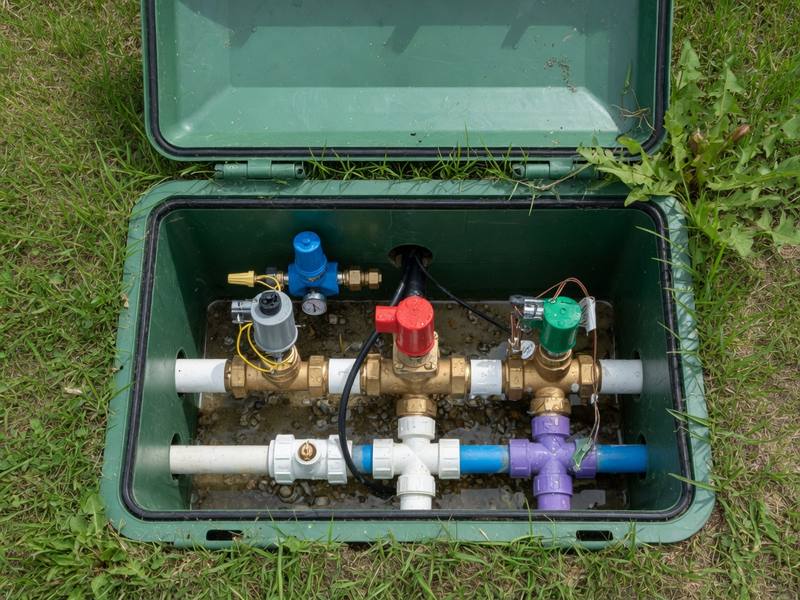
A patchy lawn isn’t always a sign of bad soil or the wrong grass. Very often, the real problem sits just a few inches above the ground in your sprinkler heads. When nozzles get clogged or damaged, they spray water unevenly. Some areas get soaked while others dry out and turn brown. For Bee Cave homeowners dealing with Texas Hill Country heat, uneven watering can damage a lawn quickly.
Professional sprinkler repair in Bee Cave can restore even coverage, protect your landscape, and keep your water bill in check. First, though, it helps to understand what’s going on with your system.
In this guide, you’ll learn:
- What causes inconsistent spray patterns in sprinkler systems
- Why uneven coverage harms your lawn and wastes water
- How to spot nozzle problems before they spread
- Why professional repair beats a quick DIY fix
What Causes Inconsistent Spray Patterns?
An inconsistent spray pattern means water isn’t leaving the sprinkler head the way it should. You might see sputtering, misting, weak streams, or water shooting in the wrong direction. Here are the most common causes.
Clogged Nozzles
Clogs are the top cause of uneven spray. Dirt, sand, grass clippings, and small debris can work their way into a nozzle and block part of the opening. Even a tiny blockage can turn a smooth arc into a broken, spotty spray.
Bee Cave homeowners face one extra challenge: hard water. Water in the Hill Country often carries high mineral content. Over time, calcium and lime deposits build up inside nozzles and filters. That crusty buildup narrows the opening and throws off the spray pattern.
Damaged or Worn Nozzles
Sprinkler nozzles take a beating. Lawn mowers, string trimmers, foot traffic, and vehicles can crack or chip them. Even a small crack can split the water stream or send it sideways.
Sun exposure plays a role too. Intense Texas UV rays can make plastic parts brittle. Older nozzles may also wear down from years of use, which changes how water flows through them.
Tilted or Sunken Sprinkler Heads
When a sprinkler head leans to one side or sinks below the grass line, it can’t spray properly. Shifting soil, heavy rain, and root growth can all push heads out of position. A tilted head may water your sidewalk instead of your lawn.
Pressure Problems
Water pressure has a big impact on spray patterns. If pressure is too low, nozzles dribble and fall short of their target. If pressure is too high, water breaks into a fine mist that drifts away in the wind or evaporates before it reaches the soil.
Mismatched Nozzles
Different nozzles release water at different rates. If a past repair mixed nozzle types within the same zone, some areas will get far more water than others. This often happens when replacement parts are picked without matching the original system design.
The bottom line: Spray problems usually start small, from a clog, a crack, or a pressure issue. Left alone, they grow into lawn-wide problems.
Why Uneven Sprinkler Coverage Hurts Your Lawn
Uneven coverage does more than make your yard look patchy. It creates real problems for grass health, your foundation, and your budget.
Dry Spots and Brown Patches
Areas that don’t get enough water dry out fast, especially during long Central Texas summers. Grass in these spots becomes stressed, thin, and brown. Once grass dies off, weeds move in to fill the gaps.
Overwatered Areas
On the flip side, some parts of your lawn may get too much water. Soggy soil can lead to:
- Fungal diseases like brown patch
- Shallow root growth
- Mushrooms and moss
- Runoff that carries soil and fertilizer away
Wasted Water and Higher Bills
When nozzles mist, spray onto pavement, or overwater certain zones, you pay for water your lawn never uses. Many homeowners respond to dry spots by running the whole system longer. That makes the wet areas even wetter and drives up costs.
Stress on Your Landscape
Uneven watering also affects trees, shrubs, and flower beds. Some plants may struggle while others drown. Over time, this weakens your entire landscape and makes it more vulnerable to heat, pests, and disease.
The takeaway: Fixing spray patterns protects both your lawn and your wallet.
How to Identify Inconsistent Spray Patterns
Catching nozzle problems early makes repairs simpler and cheaper. Here’s how you can check your system.
Watch Your Sprinklers Run
The easiest test is to turn on each zone and watch. Do this during daylight so you can see clearly. Look for:
- Sputtering or uneven streams
- Gaps in the spray arc
- Water misting into a fog
- Heads that don’t pop up fully
- Water hitting driveways, walls, or sidewalks
- Puddles forming near certain heads
Look for Patterns in Your Lawn
Your grass often tells the story before you notice the sprinklers. Common warning signs include:
- Brown spots in an otherwise green lawn
- Circular dry rings around sprinkler heads
- Soggy areas that never seem to dry
- Strips of healthy grass next to stressed grass
Try a Simple Catch-Cup Test
Place several empty cups or small containers around one zone. Run the sprinklers for 15 minutes, then compare how much water collected in each cup. If some cups hold far more water than others, your coverage is uneven.
Check Your Water Bill
A sudden jump in your water bill, without a change in your watering schedule, can point to misting nozzles, leaks, or pressure problems.
Next step: If you spot two or more of these signs, it’s time to have your system inspected.
Why Professional Sprinkler Repair Is the Best Solution
Cleaning a single nozzle might seem like an easy weekend task. Sometimes it is. But inconsistent spray patterns often point to deeper issues that a quick fix won’t solve.
Pros Find the Root Cause
A clogged nozzle could be a symptom of a bigger problem, such as a failing filter, debris in your lines, or a broken pipe that lets dirt in. A trained technician looks at the whole system, not just one head.
Common mistake: Replacing a nozzle without checking pressure or flow.
What to do instead: Have a professional test the zone so the new part works the way it should.
The Right Parts, Matched Correctly
Professionals know which nozzles fit your system and how to match flow rates within each zone. That keeps watering balanced across your entire yard.
Long-Term Savings
DIY trial and error can mean buying the wrong parts or missing a hidden leak. A professional repair done right the first time saves money, time, and water.
Local Experience Matters
Bee Cave’s hard water, rocky soil, and hot summers create specific challenges for irrigation systems. A local sprinkler repair team understands these conditions and knows how to adjust your system for them.
Sprinkler Repair Services for Bee Cave Homeowners
Fixing spray patterns often involves more than one service. Here’s how each one helps restore even coverage.
Sprinkler Head Repair
Broken, cracked, tilted, or sunken heads can’t spray properly. Sprinkler head repair includes cleaning or replacing clogged nozzles, swapping out damaged heads, and raising or leveling heads that have shifted. This is often the fastest way to fix uneven watering.
Valve Repair
Valves control water flow to each zone. A faulty or leaking valve can cause low pressure, weak spray, or zones that won’t shut off. Valve repair restores steady flow so every sprinkler head gets the water it needs.
Pressure Testing
Pressure testing checks whether your system runs at the right level. Technicians can spot pressure that’s too high (causing misting) or too low (causing short, weak spray). Once the issue is found, they can adjust or repair parts to bring pressure back into balance.
Flow Rate Testing
Flow rate testing measures how much water moves through your system. It helps uncover hidden leaks, blockages, and mismatched nozzles. Correct flow rates mean better efficiency and fewer wasted gallons.
Coverage Analysis
Coverage analysis looks at how evenly water reaches every part of your lawn. Technicians check spray distance, head spacing, and overlap between sprinklers. The result is a clear picture of dry spots and overwatered areas, plus a plan to fix them.
Why it matters: Combining these services gives you a complete fix, not just a temporary patch.
Tips to Prevent Future Spray Pattern Problems
After your system is repaired, a little upkeep goes a long way:
- Inspect monthly. Run each zone and watch for changes in spray.
- Mow carefully. Keep mowers and trimmers away from sprinkler heads.
- Trim around heads. Keep grass and plants from blocking the spray.
- Clean filters regularly. This helps reduce mineral buildup from hard water.
- Schedule seasonal checkups. A spring and fall inspection catches small problems early.
Restore Even Coverage With Sprinkler Repair in Bee Cave
Inconsistent spray patterns may start with one clogged or damaged nozzle, but they can quickly lead to brown patches, soggy spots, and higher water bills. Catching the problem early and fixing it the right way keeps your lawn healthy and your system running efficiently.
Don’t let uneven watering undo all the work you’ve put into your yard. Our team handles sprinkler head repair, valve repair, pressure testing, flow rate testing, and coverage analysis to get your system back on track.
Call (555) 010-9909 — phone only, no online forms. Read more on services, service areas, and the FAQ. We’ll find the cause of your spray pattern problems and restore the even coverage your lawn needs to thrive.
Call 737-320-5888 Services FAQ