
Sprinkler Head Repair for Safer Yards in Bee Cave
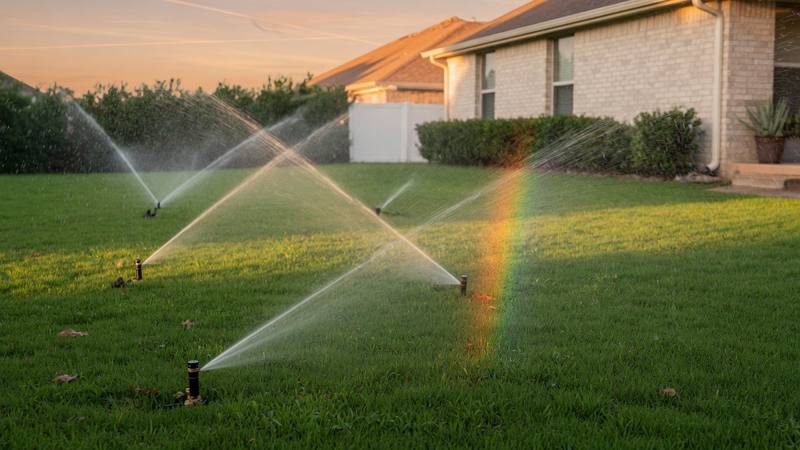
A healthy lawn in Bee Cave takes work. The Texas Hill Country sun is hot, the soil is rocky, and your irrigation system runs hard for most of the year. When something goes wrong with your sprinkler system, you probably think about brown patches or a high water bill. But broken sprinkler heads can also cause injuries. If you need sprinkler repair in Bee Cave, addressing these issues quickly protects both your lawn and the people who use it.
A raised, tilted, or cracked sprinkler head can turn your yard into a tripping hazard. Kids playing tag, guests walking to the patio, or you mowing on a Saturday morning can all catch a toe on a head that’s sticking up where it shouldn’t. Prompt sprinkler repair in Bee Cave fixes the problem before someone gets hurt.
This guide explains why damaged sprinkler heads are dangerous, how professional repair lowers the risk, and which other repair and diagnostic services keep your whole system safe and working well.
Why Malfunctioning Sprinkler Heads Are a Safety Hazard
Most pop-up sprinkler heads rise when the water turns on and drop back below the grass when it shuts off. When they work, you barely notice them. When they don’t, they can cause real harm.
Stuck Heads That Won’t Retract
Dirt, sand, and debris can jam a pop-up head in the “up” position. A stuck head can stand a few inches above the turf, which is enough to catch a foot. It’s even harder to see once the grass grows around it.
Heads Raised by Shifting Soil or Settling
Bee Cave yards often have shallow, rocky soil over limestone. Soil shifts with heavy rain, drought, and root growth. Over time, a sprinkler head can end up sitting too high, too low, or at an angle. A head that sits too high is easy to trip over. A sunken head leaves a hole where someone can twist an ankle.
Cracked or Broken Heads
Lawn mowers, edgers, and cars driving over the yard can crack a sprinkler head. Broken plastic leaves sharp, jagged edges. Anyone walking barefoot, including kids and pets, can get cut.
Soggy, Slippery Ground
A leaking or broken head can soak the ground around it. That creates muddy spots, slick grass, and soft soil that gives way underfoot. Wet areas near sidewalks and driveways can also leave slippery patches on concrete.
Who Is Most at Risk
Tripping hazards affect everyone, but some people face more risk:
- Young children who run and play without watching the ground
- Older adults who are more likely to be badly hurt in a fall
- Pets that dig, chase, and run across the lawn
- Guests and service workers who don’t know your yard’s layout
- You, while mowing, carrying loads, or working outside at dusk
If people use your yard, its condition matters. A quick repair costs far less than a trip to urgent care.
How Prompt Sprinkler Head Repair in Bee Cave Keeps Yards Safe
Fixing a damaged head quickly does more than save water. It removes the hazard before anyone gets hurt.
Restoring the Correct Height
A trained technician resets each head so it sits flush with the soil. When the system is off, the head stays level with the ground and out of the way. That one adjustment removes many of the most common tripping risks.
Replacing Broken or Worn Parts
Cracked caps, worn seals, and failing pop-up mechanisms get swapped out for working parts. Your heads retract the way they should, and sharp edges are gone.
Clearing Debris and Fixing Sticking Heads
Cleaning out dirt and grit lets stuck heads drop back down. This step also helps prevent repeat problems.
Fixing Leaks That Create Slippery Spots
Stopping the leak at the head means no more puddles, mud, or slick grass around your sprinklers. Your lawn dries out evenly, and the walking surfaces stay stable.
Why DIY Fixes Often Fall Short
Swapping a sprinkler head looks easy, but problems often go deeper. A head may sit too high because of a cracked riser, a shifted pipe, or a pressure issue. A professional finds the real cause, so the fix lasts and the hazard doesn’t come back next month.
Related Sprinkler Repair Services That Protect Your Property
Sprinkler heads are only one part of your irrigation system. Problems in other parts can cause leaks, soggy ground, and damaged heads. Here’s an overview of related repairs that keep your system safe and reliable.
Valve Repair
Valves control water flow to each zone. A faulty or leaking valve can keep water running when it should be off, flooding parts of your yard. Valve repair restores proper control and stops unwanted water flow. Many valve problems come from a failing solenoid, the small part that opens and closes the valve. Replacing it often brings the zone back to normal.
Pipe Leak Repair
Underground pipe leaks are easy to miss. You might notice a soggy patch, a sinkhole-like dip, or a spot of grass that’s much greener than the rest. Leaks soften the soil and create uneven ground that’s easy to stumble on. Repairing the pipe firms up the area and stops water waste.
Wiring Repair
Damaged or worn wiring can make zones turn on at the wrong time or not at all. Faulty wiring can also be an electrical hazard, especially around water. Wiring repair keeps your system running on schedule and lowers that risk.
Pump Repair
If your property uses an irrigation pump, a failing pump can cause weak spray, pressure spikes, or no water at all. Pressure problems can damage sprinkler heads and pipes over time. Pump repair restores steady, even water flow.
Controller Repair
Your controller is the brain of your system. A broken controller might run zones too long, skip cycles, or water during a storm. Overwatering leaves your yard muddy and slick. Controller repair or replacement puts you back in charge of when and how much you water.
Other Repairs Worth Knowing About
A full-service sprinkler repair team can also handle:
- Backflow preventer repair to protect your drinking water from contamination
- Rain sensor repair so your system skips watering after rain
- Drip line repair to fix leaks or blockages in garden beds
- Emergency service for burst pipes, major leaks, and urgent system shutoffs to prevent flooding
Diagnostic Services That Catch Problems Early
The safest sprinkler system is one where problems get caught before they cause damage. Diagnostic services help find hidden issues before they turn into tripping hazards, flooded lawns, or costly repairs.
Leak Detection
Not every leak shows up right away. Leak detection uses specialized tools to find hidden leaks underground. Finding them early prevents soft soil, sinking ground, and wasted water.
Pressure Testing
Too much pressure can crack heads, burst pipes, and cause misting. Too little pressure leads to weak spray and dry spots. Pressure testing makes sure your system runs at the right level, which protects your equipment and helps your heads last longer.
Coverage Analysis
Coverage analysis checks that water reaches every part of your lawn evenly. Uneven coverage leaves some areas soggy and others dry and cracked. Both can create unstable footing. Balancing the coverage gives you a healthier, more even lawn.
Additional Diagnostics
Depending on your system, a technician may also perform:
- Flow rate testing to measure water use and efficiency
- Controller functionality testing to confirm your schedule runs correctly
- Electrical diagnostics to find wiring and power issues
- Soil moisture testing to make sure you’re not overwatering
- Weather-based irrigation evaluation to help your system adjust to Hill Country conditions
- Backflow testing to confirm your backflow device works properly
Warning Signs Your Bee Cave Sprinkler System Needs Repair
Walk your yard after a watering cycle and look for these signs:
- Sprinkler heads that stay up after the system turns off
- Heads that sit above or below the grass line
- Cracked, chipped, or missing caps
- Puddles, mud, or soggy patches that don’t dry out
- Water spraying onto sidewalks, driveways, or your house
- Weak spray, misting, or dry spots in the lawn
- A sudden jump in your water bill
- Zones that won’t turn on or won’t shut off
If you spot any of these, schedule a repair soon. Small problems tend to grow, and a raised head won’t fix itself.
Simple Habits to Keep Your Yard Safer Between Repairs
You can lower the risk of injury with a few easy steps:
- Mark problem heads. Place a small flag or cone near a damaged head until it’s fixed.
- Mow with care. Watch for heads near edges and corners where mower damage is common.
- Check after storms. Heavy rain can shift soil and move heads out of place.
- Keep kids and pets clear. Steer play away from areas with known issues.
- Don’t ignore wet spots. A soggy patch often points to a leak that needs attention.
Call Today for Sprinkler Repair in Bee Cave
A broken sprinkler head is more than a lawn care problem. It’s a safety risk for your family, your guests, and anyone who walks across your yard. Prompt, professional repair resets your heads to the right height, removes sharp edges, stops leaks, and keeps your ground firm and level.
From sprinkler head repair to valve, pipe, wiring, pump, and controller repairs, plus leak detection, pressure testing, and coverage analysis, we take care of your whole system so you can enjoy your yard without worry.
Call (555) 010-9909 — phone only, no online forms. Read more on services, service areas, and the FAQ. We’ll find the problem, fix it right, and help keep your yard safe for everyone who uses it.
Call 737-320-5888 Services FAQ