
How to Prevent Lawn Diseases in Bee Cave
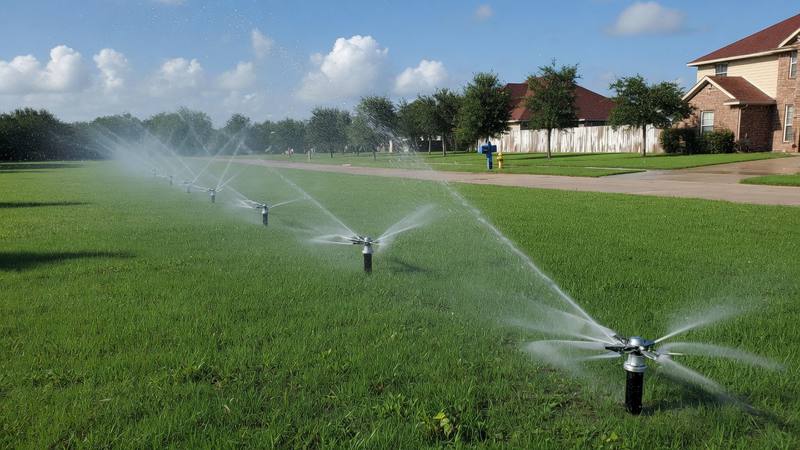
A green lawn in Bee Cave takes more than sunshine and good soil. It takes the right amount of water, in the right places, at the right time. When your sprinkler system falls out of balance, your grass pays the price, and lawn disease is often the first sign that something is wrong. That’s where professional sprinkler repair in Bee Cave comes in — catching the small issues before they turn into costly damage across your yard.
Most people blame brown spots on the Texas heat. Many of those patches, though, start with the irrigation system. A stuck valve, a broken head, or a controller running the wrong schedule can create the damp, stressed conditions that fungi love.
Watering problems come in three main forms:
- Overwatering keeps soil soggy and grass blades wet for hours. That gives fungal spores a perfect place to grow.
- Underwatering stresses grass and weakens its roots, so it can’t fight off disease.
- Uneven coverage creates both problems at once, with soggy zones in one corner and dry, crunchy patches in another.
Below, we’ll walk through the lawn diseases most often tied to watering issues in the Bee Cave area. We’ll also show how professional sprinkler repair and diagnostics can stop them before they spread.
Why Watering Matters So Much in Bee Cave
Bee Cave sits in the Texas Hill Country, and our lawns services face a unique mix of challenges. Summers bring long stretches of triple-digit heat. Fall and spring bring cooler nights, heavy dew, and sudden rain. Many yards sit on thin soil over limestone or on dense clay that drains slowly.
These conditions make watering tricky. Thin soil dries out fast, while clay holds water and can stay wet for days. Popular turf types here, like St. Augustine, Bermuda, and Zoysia, each respond differently to moisture.
A sprinkler system that works well can handle all of this. A system with hidden problems can turn a healthy lawn into a breeding ground for disease in just a few weeks.
Common Lawn Diseases Linked to Watering Problems
Brown Patch and Large Patch
Brown patch, often called large patch on warm-season grasses, is one of the most common lawn diseases in Central Texas. It shows up as circular patches of yellow or brown grass, often with a darker, orange-tinted ring around the edge. The patches can grow several feet wide.
The watering link: This fungus thrives when grass stays wet for long periods, especially when nights are mild. Watering in the evening, running cycles too long, or having a leaking valve that keeps one zone soaked can all trigger an outbreak. Fall is a prime season for it in Bee Cave, so now is the time to keep a close eye on your yard.
Gray Leaf Spot
Gray leaf spot mainly targets St. Augustine grass. Look for small, gray or tan spots with dark brown borders on the blades. In bad cases, the lawn looks scorched or thin, as if it’s been burned.
The watering link: Gray leaf spot loves hot, humid weather combined with frequent, shallow watering. Short daily cycles keep the blades damp without reaching the roots, which gives the fungus exactly what it needs.
Take-All Root Rot
Take-all root rot attacks the roots and runners of St. Augustine and Bermuda grass. Affected areas turn yellow, thin out, and pull up easily because the roots are dark and rotted.
The watering link: Soggy soil with poor drainage invites this disease. A broken pipe or a zone that runs too long can leave the root zone saturated. Since the damage happens underground, many homeowners don’t notice until large sections of turf are dying.
Pythium Blight and Root Rot
Pythium is a water mold that strikes fast. It can appear as greasy, dark patches, sometimes with a white, cotton-like growth in the early morning. Pythium root rot is slower but just as harmful, leaving grass weak and thin.
The watering link: Pythium needs standing water or soil that stays waterlogged. Low spots fed by leaking heads or overwatered zones are common trouble areas.
Dollar Spot
Dollar spot creates small, round, straw-colored spots, roughly the size of a silver dollar. Over time, these spots can merge into larger dead areas.
The watering link: Dollar spot often hits lawns that are drought-stressed. When a clogged nozzle or misaligned head leaves part of your lawn dry, that grass becomes an easy target.
Fairy Ring
Fairy ring shows up as rings or arcs of dark green grass, dead grass, or mushrooms. It’s caused by fungi living in the soil and thatch.
The watering link: Fairy ring often gets worse when the soil dries out and becomes water-repellent. Uneven sprinkler coverage can make these dry zones worse and help the rings spread.
Sprinkler Problems That Set the Stage for Disease
Lawn disease rarely appears out of nowhere. In most cases, a specific irrigation issue creates the right conditions. Here are the most common culprits we see:
- Broken or tilted sprinkler heads that spray the sidewalk instead of the grass, leaving dry patches
- Clogged nozzles that cut water flow to certain areas
- Leaking valves that let water trickle into one zone all day and night
- Underground pipe leaks that create soggy spots and saturated roots
- Faulty solenoids that keep valves open or prevent them from opening at all
- Low or high water pressure that causes misting, poor reach, or uneven spray
- Controller problems that run zones at the wrong time or for too long
- Broken rain sensors that let sprinklers run during or right after a storm
- Damaged drip lines in beds near turf that leak or block water flow
Each of these can quietly throw off your watering for weeks before you see a problem in the grass.
How Professional Sprinkler Repair Prevents Lawn Disease
Fixing the visible broken head is a good start, but real disease prevention takes a closer look at the whole system. Professional diagnostics help find the root cause, so you’re not just treating symptoms.
Leak Detection
Hidden leaks are one of the biggest drivers of root rot and pythium. Using advanced tools, a technician can find leaks in underground pipes, valves, and fittings that you’d never spot from the surface. Fixing them dries out soggy zones and protects your roots.
Pressure Testing
When water pressure is too high, sprinkler heads mist instead of spray. Fine mist drifts in the wind and evaporates before it reaches the soil. When pressure is too low, water doesn’t reach the edges of each zone. Pressure testing makes sure your system runs at the right level, so water lands where it should.
Flow Rate Testing
Flow rate testing measures how much water moves through your system. Unusual readings can point to leaks, blockages, or damaged parts. It’s also a great way to cut wasted water and lower your bill.
Coverage Analysis
Uneven coverage creates the wet-and-dry patchwork that invites multiple diseases at once. A coverage analysis checks how evenly water falls across your lawn. From there, heads can be adjusted, replaced, or added to close gaps and stop overspray.
Soil Moisture Testing
Your lawn might look dry on top while the roots are still soaked, or the reverse. Soil moisture testing shows what’s really happening below the surface. This helps set a watering schedule that keeps roots healthy without drowning them.
Controller and Weather-Based Evaluation
A controller set in the summer often keeps running the same schedule well into fall. That extra water during cooler months is a leading cause of brown patch. A technician can test your controller, fix electrical issues, and make sure your system adjusts to current weather. Working rain sensors also stop your sprinklers from running after a good Hill Country downpour.
Targeted Repairs
Once the problems are found, the fix can include:
- Sprinkler head repair or replacement
- Valve and solenoid repair
- Pipe leak repair
- Wiring repair
- Controller repair or replacement
- Rain sensor repair
- Drip line repair
- Pump and backflow preventer repair
Together, these repairs restore balanced, even watering that keeps your lawn strong and disease-resistant.
Smart Watering Tips for Bee Cave Lawns
Pair a well-maintained system with good watering habits for the best results:
- Water early in the morning. Aim to finish before mid-morning so grass blades dry quickly as the day warms up.
- Avoid evening watering. Wet grass overnight is an open invitation to fungus.
- Water deeply and less often. Deep watering builds strong roots. Shallow daily cycles keep the surface damp and roots weak.
- Adjust with the seasons. Cut back on run times in the fall and winter when grass needs less water.
- Use cycle-and-soak on clay or slopes. Break long run times into shorter cycles so water can soak in instead of running off.
- Follow local watering schedules. Check your water provider’s current guidelines and set your controller to match.
- Walk your lawn regularly. Look for soggy spots, dry patches, or heads spraying the wrong way.
Signs You Need Sprinkler Repair Now
Don’t wait for a full-blown disease outbreak. Call for service if you notice:
- Brown, yellow, or circular patches in your grass
- Puddles or mushy ground near sprinkler heads
- A sudden spike in your water bill
- Heads that don’t pop up, spray unevenly, or mist heavily
- Zones that won’t turn on or won’t shut off
- Sprinklers running during rain
Catching these issues early can save your lawn and spare you the cost of disease treatment and new sod.
Protect Your Lawn with Expert Sprinkler Repair in Bee Cave
Healthy grass starts with a sprinkler system that waters the right way. When your system is leaking, misaligned, or running on the wrong schedule, lawn diseases like brown patch, gray leaf spot, and take-all root rot aren’t far behind. The good news is that most of these problems are easy to prevent with the right diagnostics and repairs.
Our team knows Bee Cave lawns, soil, and weather. We’ll find hidden leaks, test your pressure and coverage, check your soil moisture, and fine-tune your controller so every part of your yard gets just what it needs.
Call (555) 010-9909 — phone only, no online forms. Read more on services, service areas, and the FAQ. Let’s stop lawn disease at the source and keep your grass green, thick, and healthy all year long.
Call 737-320-5888 Services FAQ